
Maintaining the pristine look of your alloy wheels is more than just a matter of pride. It’s a vital part of vehicle maintenance that ensures your car remains in peak condition and holds a higher portion of its value over time.
By adopting a proactive approach to wheel care, you can avoid the frustration of costly refurbishments or the need for expensive replacements later on down the line.
While we often focus on keeping the bodywork sparkling, your alloys are constantly exposed to a variety of harsh external factors, and they frequently don’t enjoy the same care we give to things like paintwork.
Weather conditions in particular can take a significant toll on their finish if left unchecked, leading to issues that range from minor blemishes to structural degradation.
What can wet weather do to your alloy wheels?
Many drivers assume that a simple rain shower might help wash away dust, but wet weather can actually be quite damaging to your alloys; the impact is usually indirect.
When rainwater mixes with road grime, brake dust, and various environmental pollutants, it creates a gritty, acidic film that clings to the surface of the wheel. If this moisture is allowed to sit, it can eventually penetrate the protective lacquer and lead to unsightly corrosion. This is why a quick rinse after a heavy downpour is always a sensible habit to prevent that toxic mixture from bonding to the metal.
Can snow or ice damage your alloy wheels?
Winter is arguably the harshest season for your vehicle, and your alloy wheels often bear the brunt of the cold.
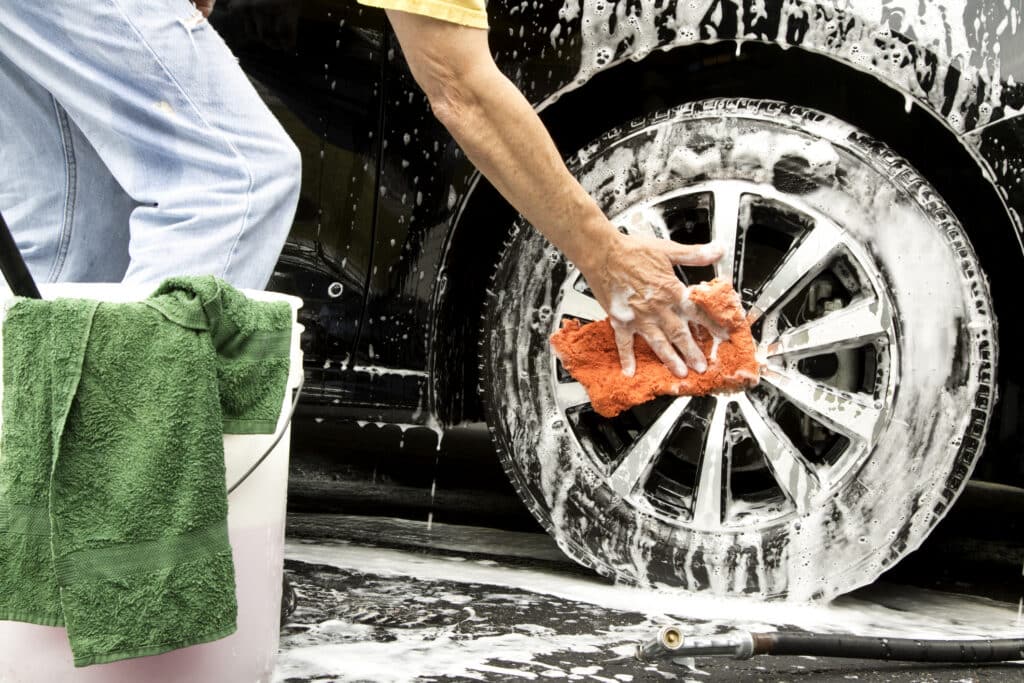
When temperatures drop and the gritters head out, your wheels are bombarded with road salt and grit. These materials are highly corrosive and can eat away at the metal and its protective coating very quickly. Because winter conditions are so unforgiving, it is essential to increase the frequency of your cleaning routine during these months, even if this means begrudgingly putting your winter coat on.
This is also the best time to check for any small chips or wear, as salt will quickly find its way into any imperfections and accelerate damage to the underlying metal.
What does sun exposure do to your alloy wheels?
It’s not just the winter months that can wreak havoc on your wheels; even a beautiful summer day can present challenges for your car. High temperatures and prolonged UV exposure can cause the protective coatings on your alloys to degrade faster than usual, leading to a dull or faded appearance. The sun also has an indirect impact by causing brake dust to bake onto the surface. Once this dust is heated and pressed against the wheel, it becomes much harder to remove and can cause permanent staining or pitting if it’s not dealt with using the right cleaning products.
What does mud and dirt do to your alloy wheels?
If you frequently drive on rural roads, mud and dirt can become a real problem. These substances often contain abrasive particles that can scratch the delicate surface of your alloys when they are rubbed or wiped. Thick mud also traps moisture and salt against the wheel, creating a pocket of hidden debris that encourages corrosion in hard-to-reach areas. Keeping the wheels clear of heavy buildup ensures that these abrasive particles cannot cause lasting damage to the finish.
Top tips for looking after your alloys
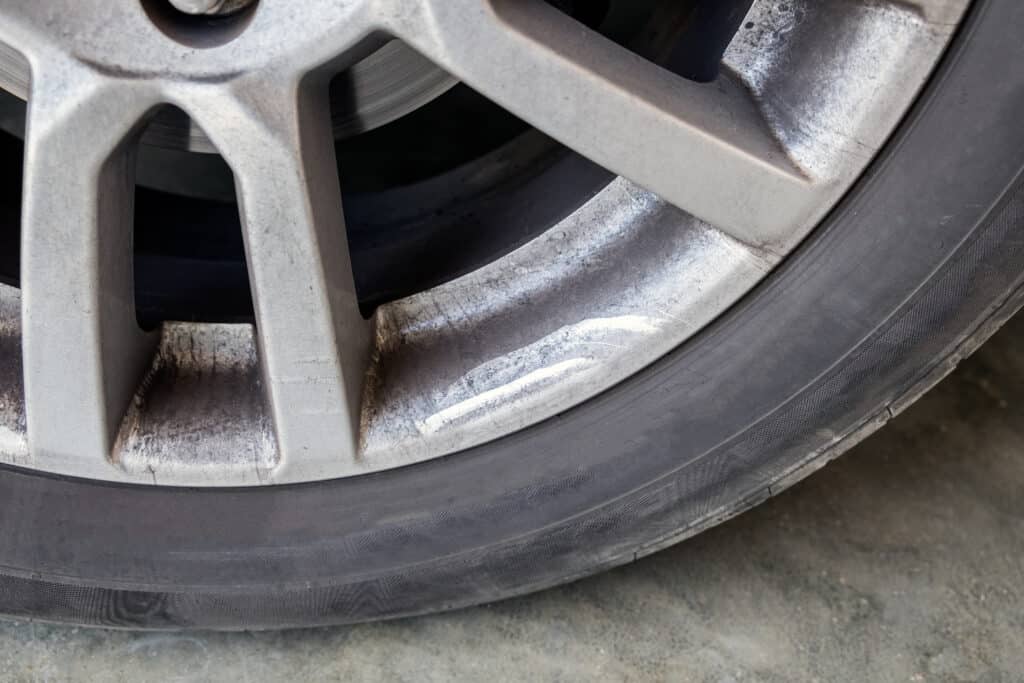
To keep your wheels looking like they have just rolled out of a showroom, a consistent care routine is key. You should always start by rinsing your wheels thoroughly with a hose or pressure washer to remove any loose dirt, grime, and brake dust before you start scrubbing. This simple step prevents you from accidentally dragging abrasive grit across the finish. Using a dedicated wheel cleaner is much more effective than standard car shampoo because these products are formulated to tackle the unique chemical bond of brake dust.
Using Simoniz Ultracare Wheel Cleaner is an excellent way to keep alloys clean and healthier for longer. Its acid-free formula is gentle enough for all alloy finishes while remaining tough on dirt.
For wheels that have a heavy buildup of stubborn, burnt-on brake dust, Simoniz Iron Active Wheel Cleaner is more effective. It works by reacting with iron particles and changing colour to deep purple as it dissolves the grime, making it easy to see exactly where the product is working to restore the surface.
We recommend washing your alloys every couple of weeks to avoid brake dust building up to a point where it becomes almost permanent. During your cleaning routine, take a moment to check for any chips or kerb damage. Catching these small issues early allows you to seal them before the weather has a chance to cause deeper corrosion.
Taking care of your alloys does not have to be a daunting task. By understanding how the elements affect your wheels and staying on top of a simple cleaning schedule, you can protect your investment and keep your car looking its best throughout every season. A little bit of regular attention today can save you a great deal of time and money in the future.

